
Living With Linen: A Textile That Endures

January 31, 2021
The History Of Linen
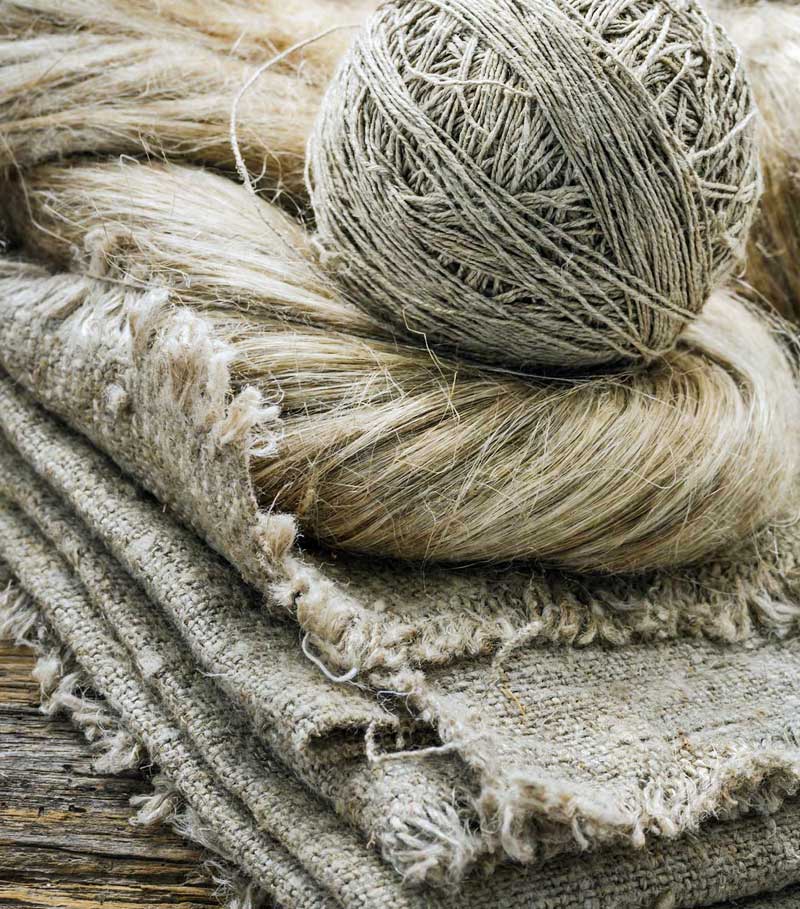
Linen is one of the oldest textiles in human history, with evidence of flax fibers dating back more than 30,000 years. The word linen itself comes from Linum, the Latin name for the flax plant from which the fiber is made.
Early remnants were discovered in caves in southeastern Europe, and from there linen appears again and again across ancient civilizations. In Mesopotamia, it was cultivated and woven for the wealthy. In ancient Egypt, linen became a symbol of purity, status, and craftsmanship – used for ceremonial dress, burial cloths, and household textiles. The tomb of Tutankhamen was famously draped in linen, and references to linen appear throughout biblical texts.
By the Middle Ages, flax cultivation and linen production had moved into Western Europe. Germany became a major producer, followed by England and Ireland, where linen was woven both in home mills and small workshops. It was valued not only for its beauty, but for its strength, absorbency, and adaptability – qualities that made it indispensable in daily life.
With the Industrial Revolution, linen production shifted from domestic weaving to mechanized mills, particularly in England and Germany. Flax and linen eventually crossed the Atlantic, becoming one of the most commonly used fabrics in Colonial American homes – for clothing, bedding, kitchen textiles, and table linens alike.
And then, in the last century, something changed.
As domestic life accelerated, we began prioritizing speed and convenience over material longevity. Synthetic fibers promised wrinkle resistance and ease. Disposable products replaced things meant to be washed, repaired, and used again. The home became lighter – but also less tactile, less grounded.
In the past decade, however, I’ve seen a clear return to natural materials – particularly linen. Through my work with Anichini, a luxury textile company specializing in artisanal home furnishings, I’ve watched linen re-emerge not as a trend, but as a correction. People are once again valuing materials that age beautifully, perform well, and feel good to live with over time.
Linen has endured for thousands of years for a reason.
Why I Choose Linen as a Working Fabric for the Home

#1: Linen Is a Natural, Agricultural Fiber
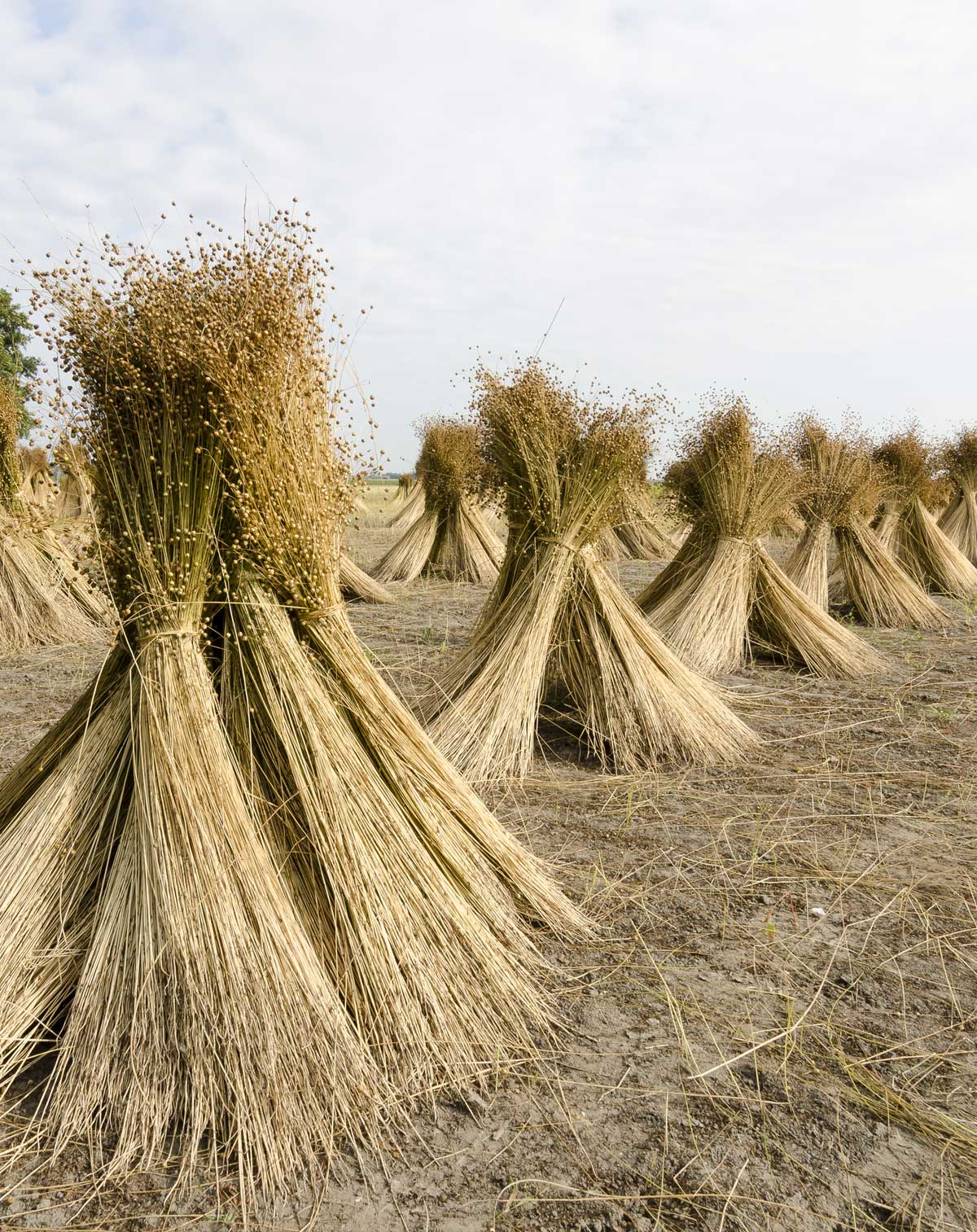
Linen is made from flax (Linum usitatissimum), an annual plant grown in open fields that reaches about three feet tall and produces delicate blue flowers. After flowering, the plant forms seed heads that contain flaxseed – long valued for both food and oil.

The fibers used to make linen come from the plant’s stem, which is harvested, retted, and spun into yarn. What I appreciate most about flax is that it is a complete plant – nothing is wasted. The same crop feeds, oils, and clothes us.
From a textile perspective, flax produces a fiber that is strong, breathable, and remarkably versatile – equally suited to bedding, bath, table, and kitchen use.
#2: Linen Is a Low-Intervention, Long-Life Textile
Flax is naturally resilient. It grows with minimal irrigation and typically requires fewer chemical inputs than many other fiber crops. From an agricultural standpoint, it’s a responsible choice.
In the home, linen’s longevity is just as important. It withstands frequent washing, dries quickly, and improves with use. Unlike fabrics designed to look perfect out of the package, linen softens, relaxes, and develops character over time – which makes it ideal for everyday living rather than special occasions only.
#3: Linen Performs Exceptionally in Active Spaces
Linen is often misunderstood as delicate, when in fact it is one of the most hardworking fibers available.
It absorbs moisture efficiently, releases it quickly, and helps regulate temperature — staying cool to the touch in warmth and insulating when layered in cooler months. These qualities make it particularly well-suited to kitchens, dining spaces, and bath environments where textiles are in constant use.
This is why linen has long been favored for towels, aprons, and table linens – it’s designed to work.
#4: Linen Stays Fresh Through Use
Anyone who has dealt with damp towels or overworked kitchen cloths understands the value of a fabric that dries quickly and doesn’t retain odor.
Linen’s natural structure allows air to circulate freely through the fibers, which helps it dry faster than many alternatives. In practice, this means it stays fresher between washes and performs well in busy households.
For spaces where cleanliness and function matter – especially around food — this quality is essential.
#5: Linen Has a Visual Ease That Improves With Time
Linen has an honesty to it. It creases. It softens. It tells the story of use.
Rather than fighting wear, linen absorbs it – developing a relaxed, lived-in beauty that feels appropriate in spaces where people gather, cook, and eat together. I’ve always been drawn to materials that don’t demand perfection, but instead invite presence.
In the kitchen and at the table, linen contributes a sense of calm not because it is pristine, but because it is forgiving. It supports daily life instead of interrupting it.
A Quiet Throughline
For me, linen isn’t about wellness as a concept – it’s about material intelligence. After decades working in luxury textiles, I’ve learned that the fabrics we return to again and again are the ones that balance beauty with performance.
Linen’s ability to balance beauty and function is what continues to draw me back to it, particularly in the kitchen. It’s a material I’ve worked with for decades — and one I’m now exploring more deeply through pieces designed specifically for cooking and gathering.

Inside The Rustic Canyon Project: An Offbeat Modern Rustic Cottage
Imperfectly perfect with a whole lot of soul… The thing about imperfection is that it is often

Inside Villa Mandra: A Summer Home In Mykonos
This time of staying home has had two effects on me… First, it has made me wistful for travel.
Leave a Reply