
How To Blanch Vegetables For Crudité (The Secret to Vibrant Vegetable Platters)

March 10, 2026

Learning how to blanch vegetables for crudité is one of the simplest techniques for creating vibrant, elegant vegetable platters. A quick blanch brightens color, enhances natural sweetness, and gives vegetables the crisp-tender texture that makes crudité platters feel fresh and beautifully prepared.
I use this technique regularly when preparing vegetable platters for gatherings and catering events. Blanching vegetables like carrots, asparagus, and green beans keeps their color bright and their texture crisp, creating crudité platters that are both beautiful and delicious.
A brief dip in boiling water followed by an ice bath helps prevent the dull, dry look that cut vegetables can develop and creates the kind of crisp, vibrant crudité that feels abundant and inviting.
Table of contents
Why Blanch Vegetables for Crudité
Blanching is a small step, but it makes a noticeable difference when building a vegetable platter. It helps certain vegetables look fresher, taste sweeter, and feel more refined on the table.
- Brighter color: Blanching helps set the natural pigments in vegetables, keeping greens vivid and carrots vibrant.
- Better texture: Vegetables become just tender enough to eat easily while still staying crisp.
- Improved flavor: A quick blanch can bring out natural sweetness, especially in carrots and asparagus.
- More polished presentation: It gives crudité platters a more intentional, professional look.
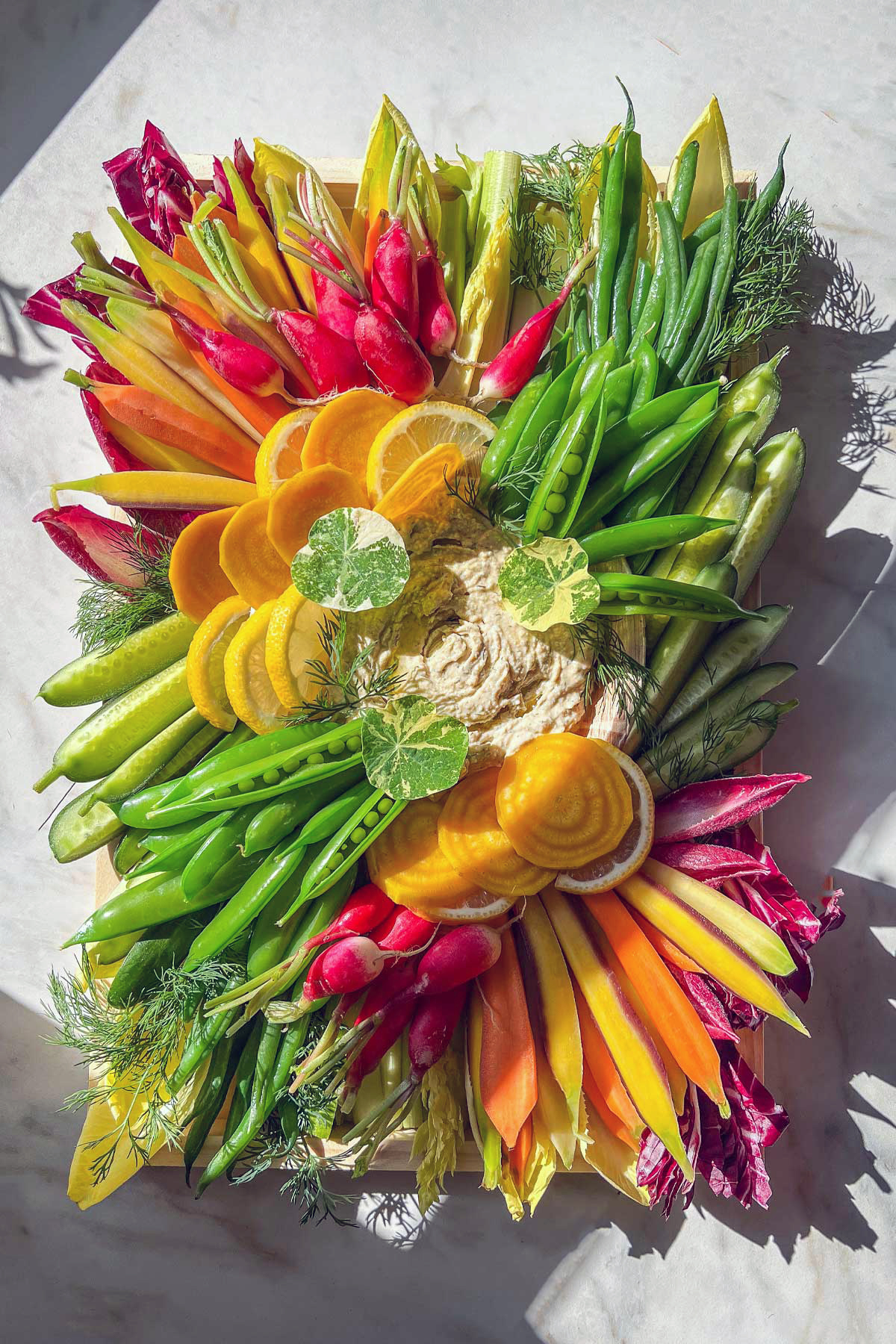
Which Vegetables Should Be Blanched
Not every vegetable needs blanching. The best crudité platters usually include a mix of raw and blanched vegetables for contrast in texture, color, and flavor.
Vegetables That Benefit From Blanching
- Carrots
- Asparagus
- Green beans
- Snap peas
- Broccolini
- Sugar snap peas
Vegetables Best Served Raw
- Radishes
- Cucumbers
- Celery
- Endive
- Cherry tomatoes
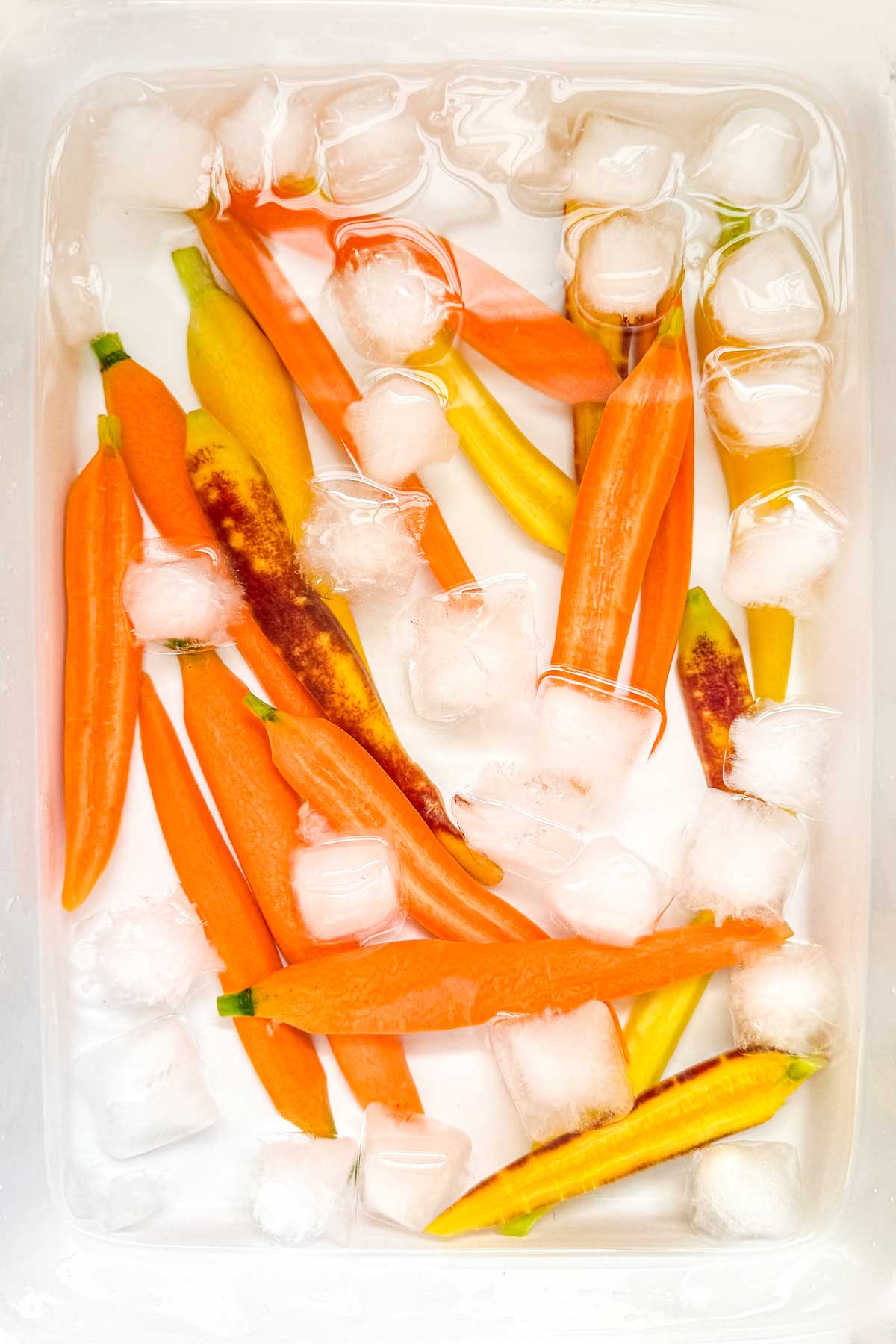
How To Blanch Vegetables For Crudité
Blanching is simple and only takes a few minutes. Once you do it once or twice, it becomes an easy part of preparing a vegetable platter.
- Bring a pot of water to a boil. Fill a medium pot with water and bring it to a rolling boil. Add a generous pinch of salt.
- Prepare an ice bath. Fill a large bowl with ice and cold water. This will stop the cooking immediately and help preserve color.
- Add the vegetables. Place the vegetables into the boiling water, in batches if needed. I personally do this by type, green beans, sugar snap peas, carrots… and then even by color. I blanch my multicolor carrots in batches from palest to darkest so the colors stay the truest.
- Blanch briefly. Cook only until the vegetables brighten in color and become just slightly tender.
- Transfer to the ice bath. Move the vegetables immediately into the ice water to stop the cooking.
- Drain and dry well. Once cool, pat the vegetables dry before arranging them on a platter.
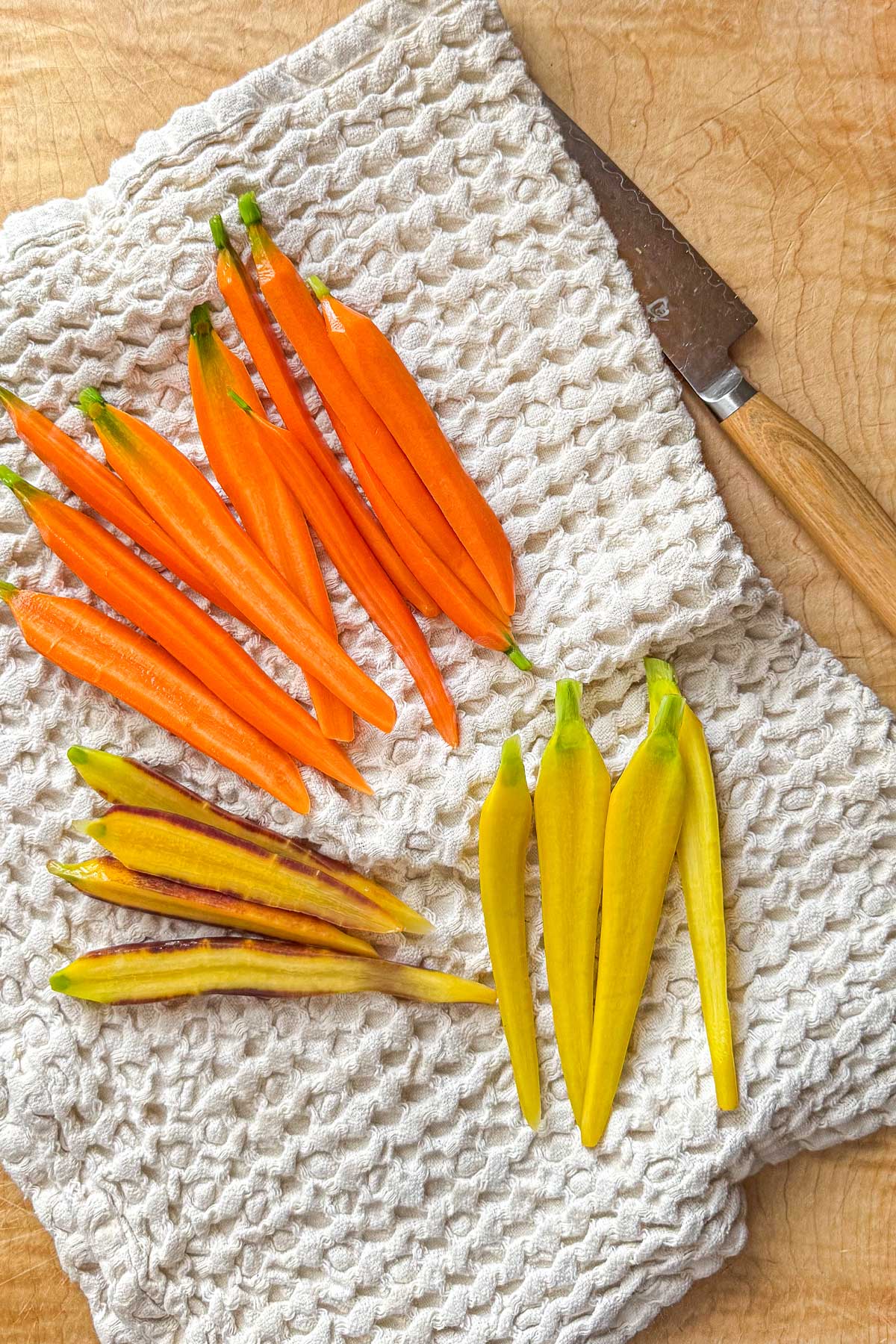
General Blanching Times
- Carrots: 2 to 3 minutes
- Asparagus: 1 to 2 minutes
- Green beans: 2 minutes
- Snap peas: 1 minute
Why I Always Blanch Carrots for Crudité
Carrots are one of my favorite vegetables to blanch for crudité. When served completely raw, cut carrots can develop a pale, dry white surface as they sit. A quick blanch helps keep them vibrant, gently sweet, and much more appealing on the platter.
It is a small detail, but it makes a meaningful difference in both styling and taste. For catering work and gatherings, it is one of the easiest ways to make a vegetable platter feel more polished and beautiful.
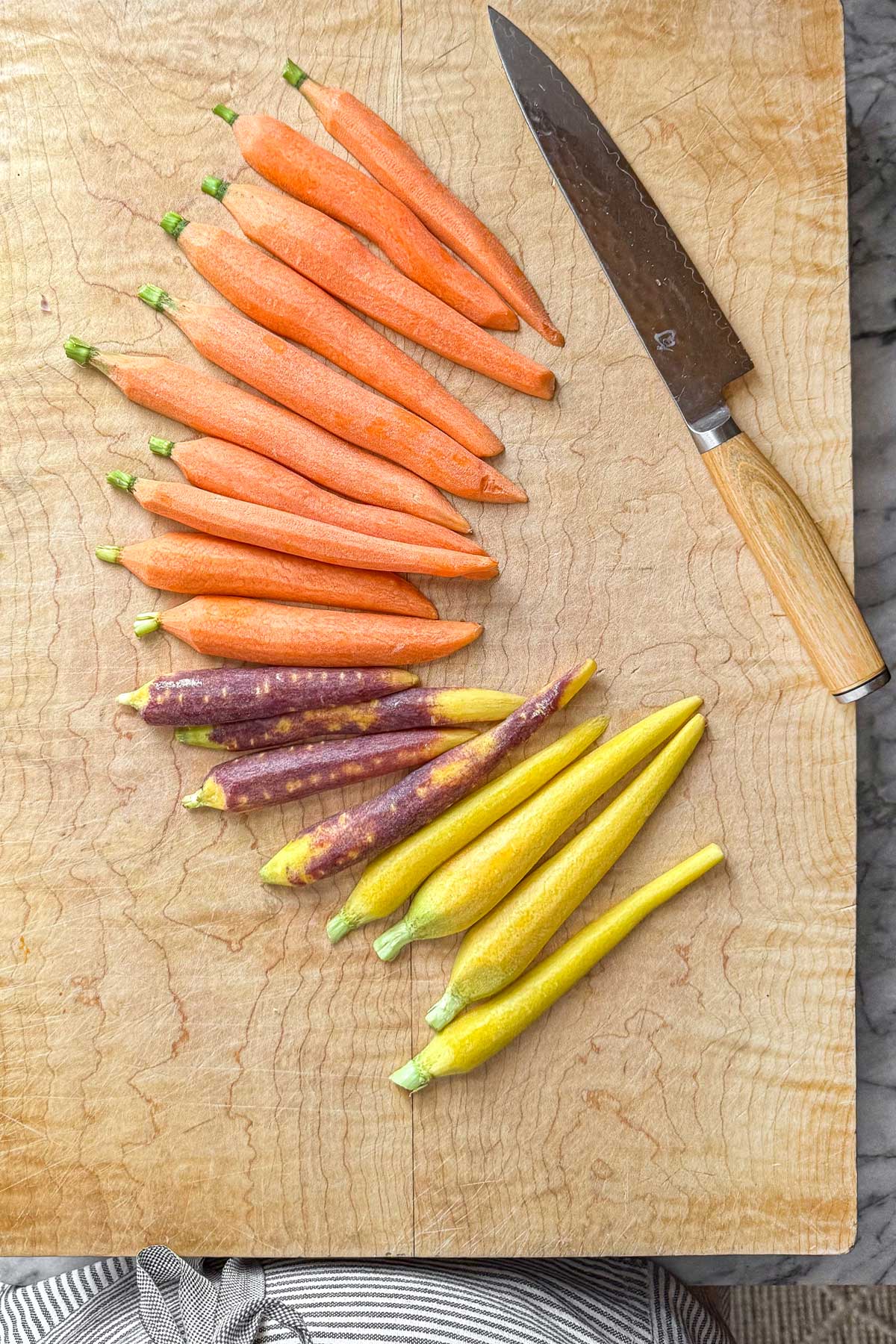
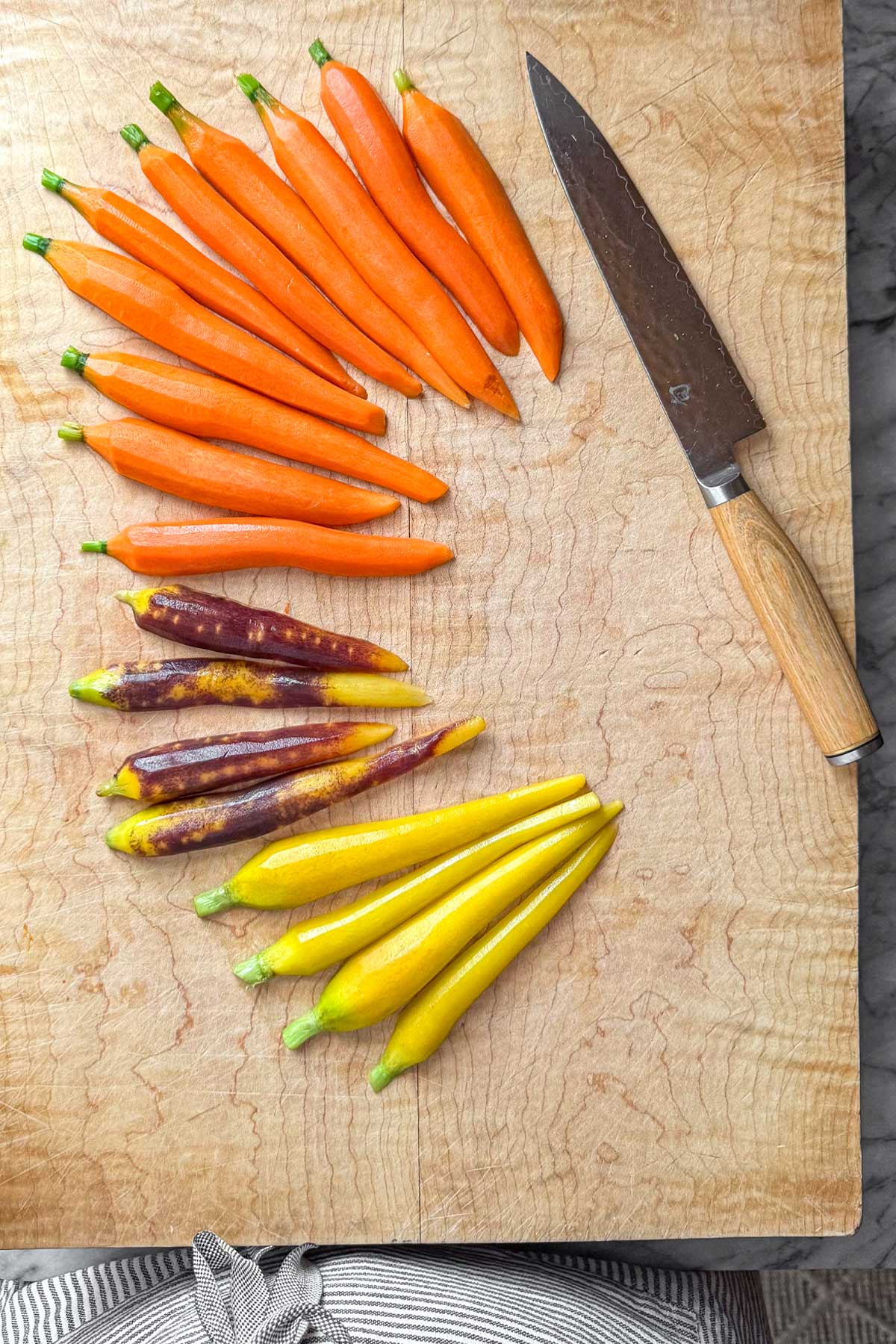
Blanching keeps carrots vibrant, crisp, and sweet — perfect for crudité platters.
Tips for Beautiful Crudité Platters
- Cut vegetables into consistent, easy-to-grab sizes.
- Combine raw and blanched vegetables for variety.
- Use color intentionally so the platter feels vibrant and balanced.
- Dry vegetables thoroughly before serving so dips stay neat.
- Arrange vegetables in loose clusters for a gathered, abundant look.
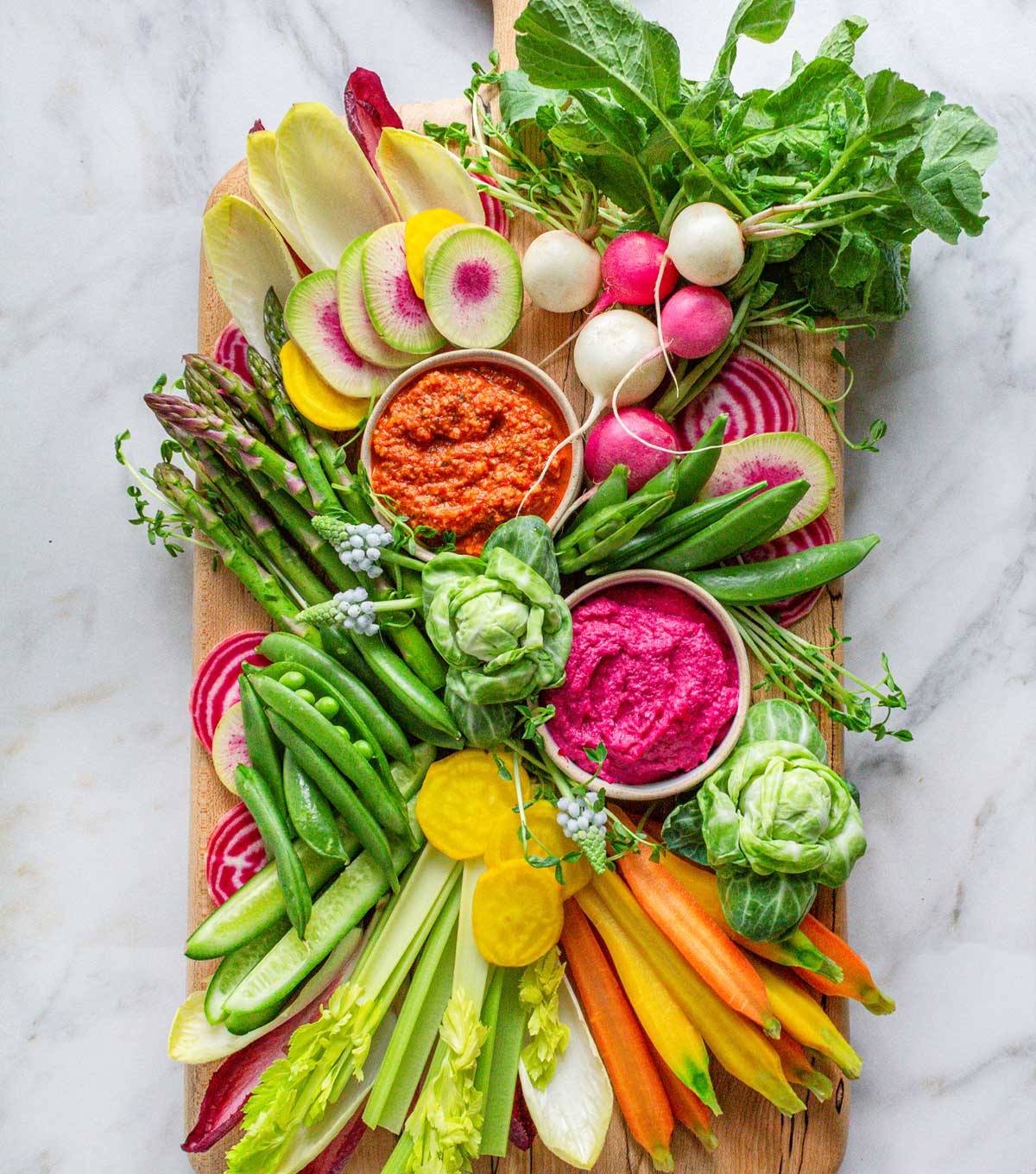
How To Serve Blanched Vegetables on a Crudité Platter
Blanched vegetables pair beautifully with creamy, herb-forward dips and seasonal vegetable boards. For a bright, herb-forward dip that pairs beautifully with spring vegetables, try my Greek Goddess Dip. It’s one of my favorite dips for asparagus, snap peas, radishes, and other crisp vegetables on a crudité platter.
If you’re new to vegetable platters, you can also read my guide on what crudité is for more on how to build a beautiful board for entertaining.
Blanched vegetables are especially lovely on seasonal platters, including spring and fall crudité boards, where texture, color, and presentation matter just as much as flavor.

Make Ahead
Blanched vegetables can be prepared up to 2 days in advance. Store them in an airtight container in the refrigerator and pat dry again before arranging on a platter.
Storage
Store blanched vegetables in the refrigerator for up to 2 days. For the best texture and appearance, keep them chilled and avoid overdrying or overdressing before serving.
FAQs
Do all vegetables need to be blanched for crudité?
No. Many vegetables are best served raw, while others benefit from blanching for improved color and texture.
Why use an ice bath after blanching?
The ice bath stops the cooking immediately and helps preserve vibrant color and crisp texture.
Can I blanch vegetables ahead of time?
Yes. Most blanched vegetables can be made a day or two ahead and stored in the refrigerator until ready to serve.
Which vegetables benefit most from blanching?
Carrots, asparagus, green beans, and snap peas are some of the best vegetables to blanch for crudité.
More Recipes & Guides To Try
If you use this guide for building a beautiful crudité platter, be sure to leave a comment below — I’d love to hear how you served it. And if you do make it, don’t forget to tag me on Instagram, I’d love to see.
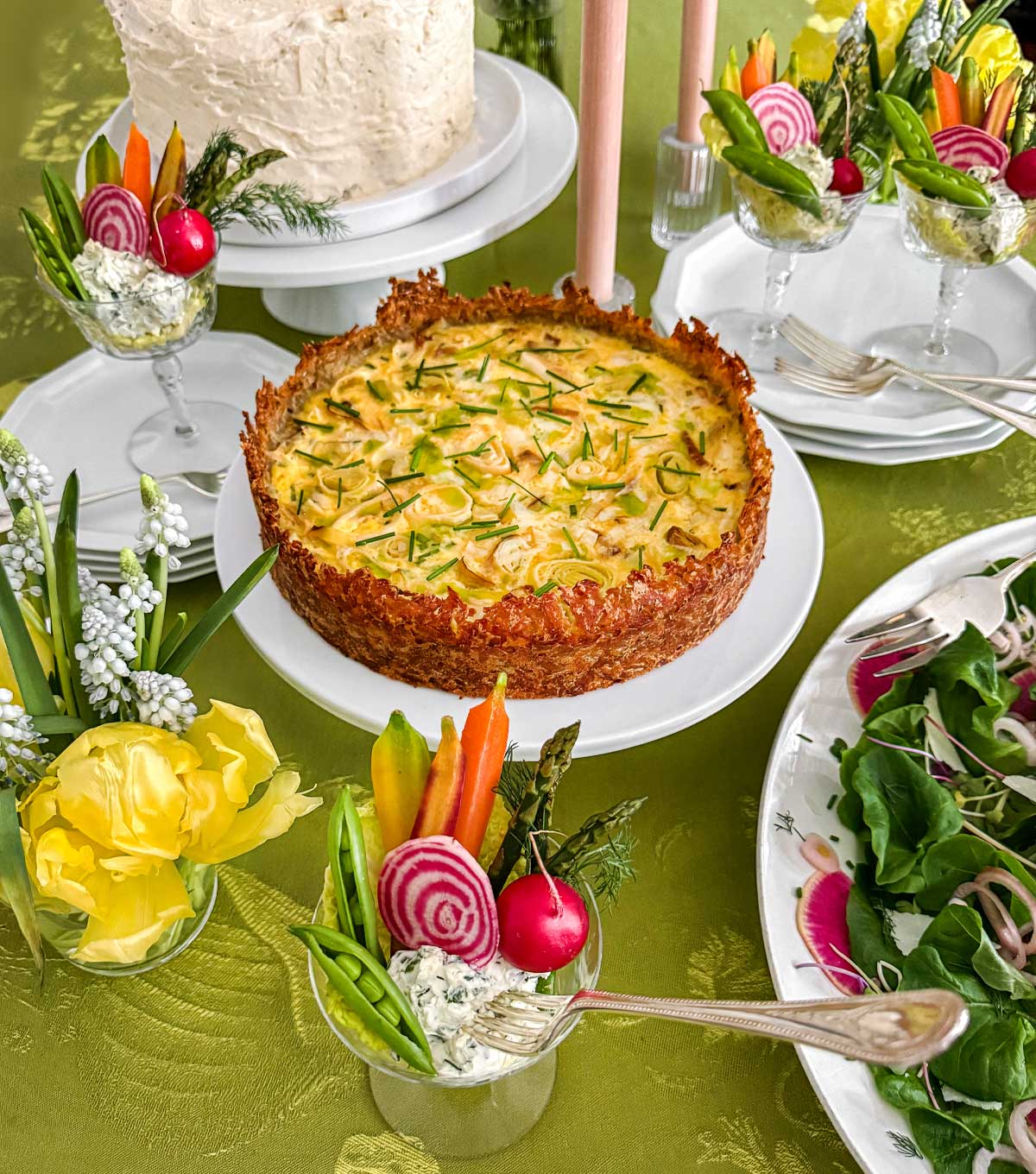
A Spring Brunch for Easter & Mother’s Day
A Spring Brunch for Easter and Mother’s Day is, at its heart, about gathering – a table fill
Leave a Reply