
Flowers, Their Meanings & The Hidden Language Of Blooms

February 9, 2021
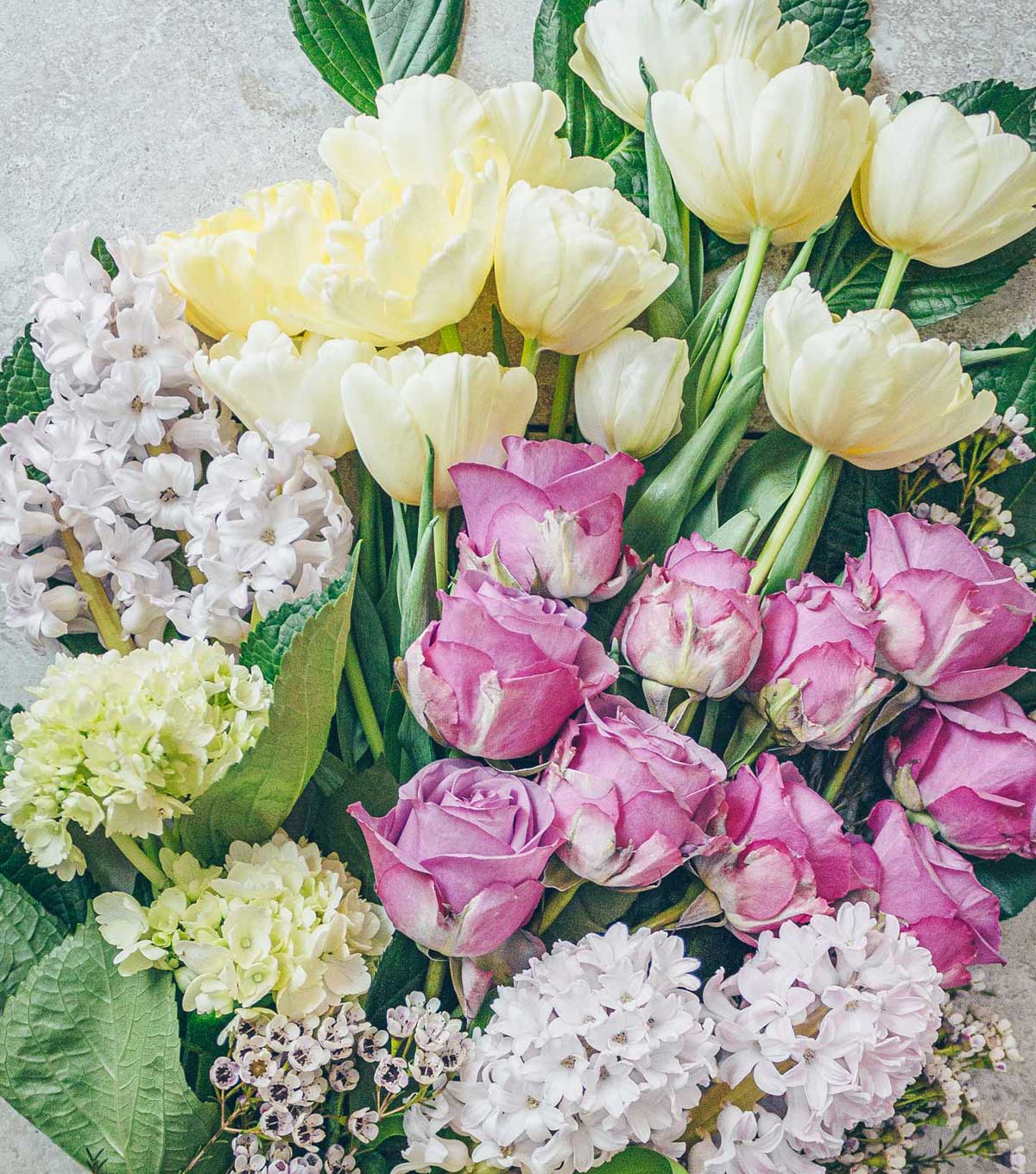
Flowers have long carried messages.
In the 18th and 19th centuries, particularly during the Victorian era, when flirtation and conversation between lovers was discouraged, flowers and nosegays were exchanged in discretion, to convey messages through the flowers’ symbolic meaning. This practice – known as floriography, or the language of flowers – allowed a single bloom or a carefully chosen bouquet to express love, admiration, gratitude, remembrance, or even rejection.
While the custom has softened over time, the meanings themselves have endured. Choosing flowers based on their symbolism adds depth and intention to a gesture – whether for celebration, remembrance, romance, or everyday beauty. I love to choose flowers and herbs for the meaning that they subtly convey.
Below is a guide to some of the most enduring flower meanings and what they have historically conveyed.

Table of contents
Roses – Love, Devotion, and Admiration
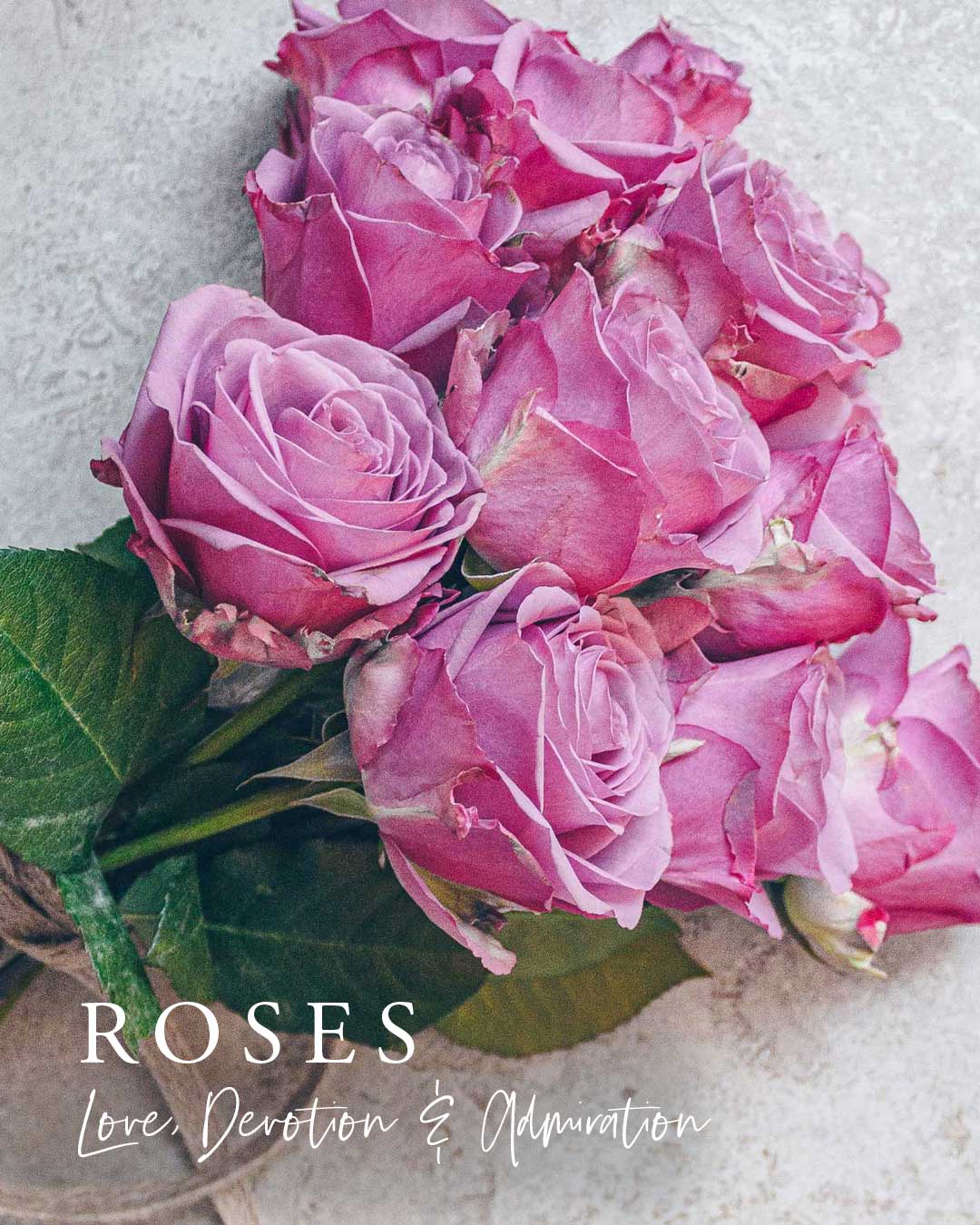
Roses are perhaps the most widely recognized symbolic flower. Historically, they have represented:
- Love
- Devotion
- Passion
- Respect
Color deepens the meaning:
- Red roses symbolize deep love and enduring affection.
- Pink roses suggest admiration and gratitude.
- White roses are associated with purity, reverence, and remembrance.
- Yellow roses traditionally symbolize friendship and warmth.
Though often associated with romance, roses are far more versatile in meaning. They can express appreciation, honor, and deep personal regard.
Floral Tip: Squeeze the head of the rose to test its firmness. If it is firm (but not like a rock) it will last, if it feels hollow and soft it won’t last very long.
Tulips – Declaration of Love
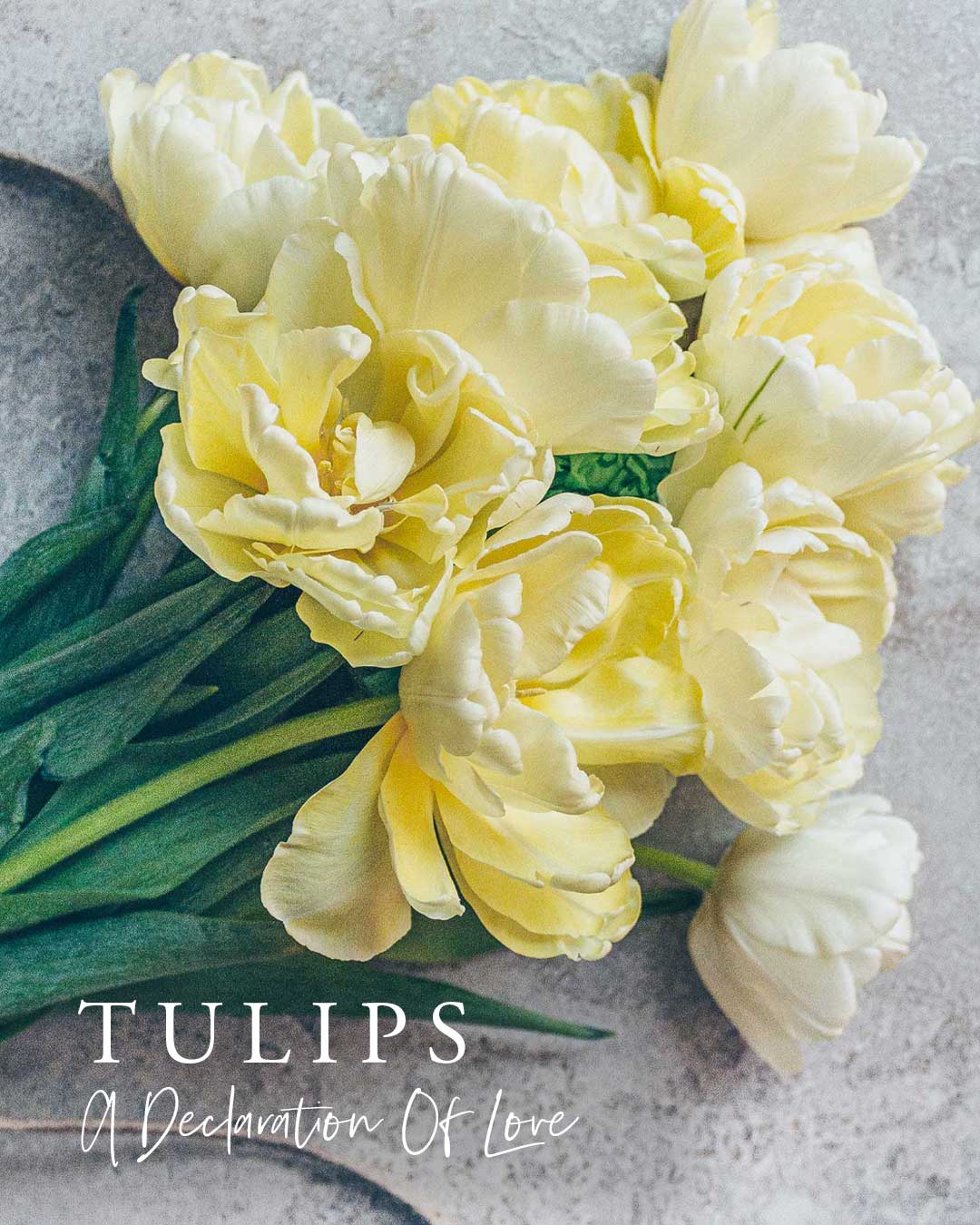
Tulips became especially popular in symbolic floral language for their clarity and simplicity.
They traditionally represent:
- Declaration of love
- Sincerity
- Grace
Red tulips convey passionate love, while white tulips suggest forgiveness or respect. Their clean, upright form has long been associated with direct, heartfelt sentiment.
For tips on growing your own tulips click here.
Sweet Peas – Gratitude and Gentle Pleasure
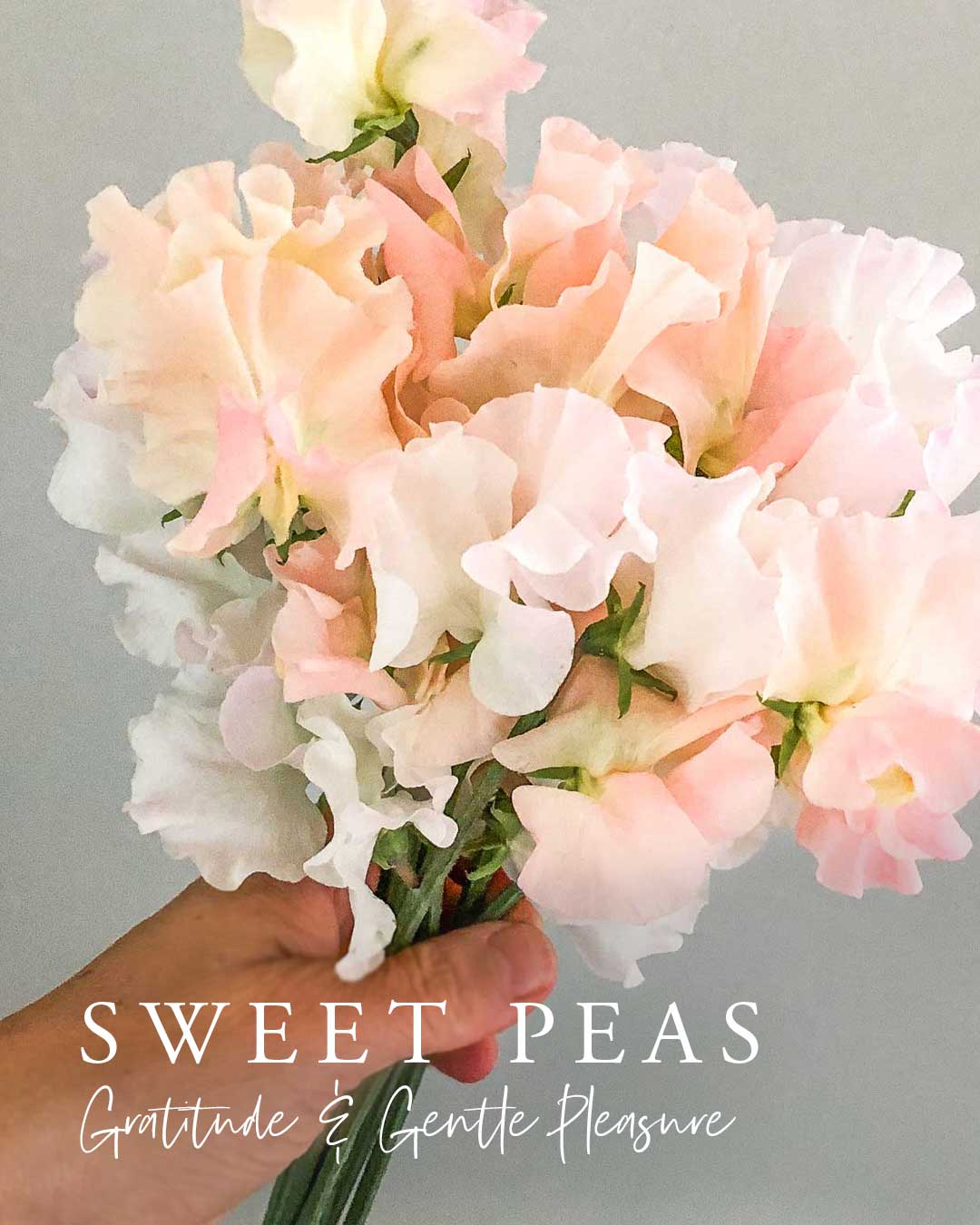
Sweet peas carry one of the softer symbolic meanings in floriography.
They traditionally represent:
- Gratitude
- Delicate pleasure
- Thankfulness
- Departure with appreciation
Their fragrance and delicacy reinforce their association with warmth and fondness.
Ranunculus – Radiant Charm
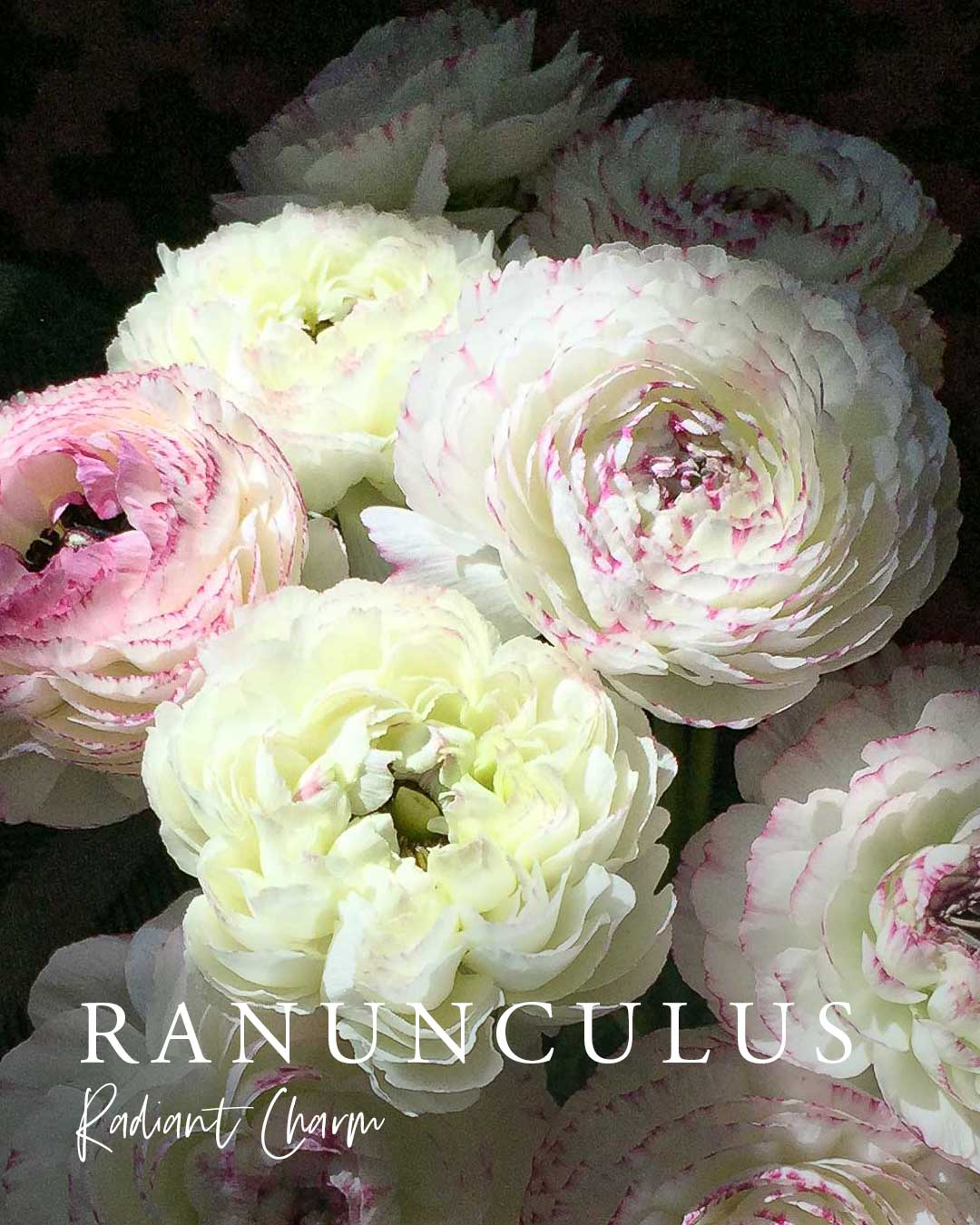
With their layered, luminous petals, ranunculus have historically symbolized:
- Charm
- Radiant attractiveness
- Admiration
They are often given to express that someone is captivating or brings joy simply by being present.
Floral Tip: Make sure you get these from a good florist though because the lesser quality blooms can be diminutive and not last long. These look great tucked in with other flowers, en mass, or even all alone as their stems have an interesting form too.
Hyacinths – Constancy Of Love

Hyacinths have long symbolized:
- Constancy of love
- Steadfast affection
- Devotion that endures over time
In traditional floriography, hyacinths conveyed loyalty and unwavering attachment – a love that remains steady rather than fleeting. Their dense clusters of blossoms and rich fragrance reinforce this sense of depth and persistence.
Given as a gesture, hyacinths suggest commitment and faithfulness. They are especially meaningful when expressing enduring love – the kind rooted in continuity rather than grand declaration.
For tips on growing your own hyacinths click here.
Peonies – Devotion
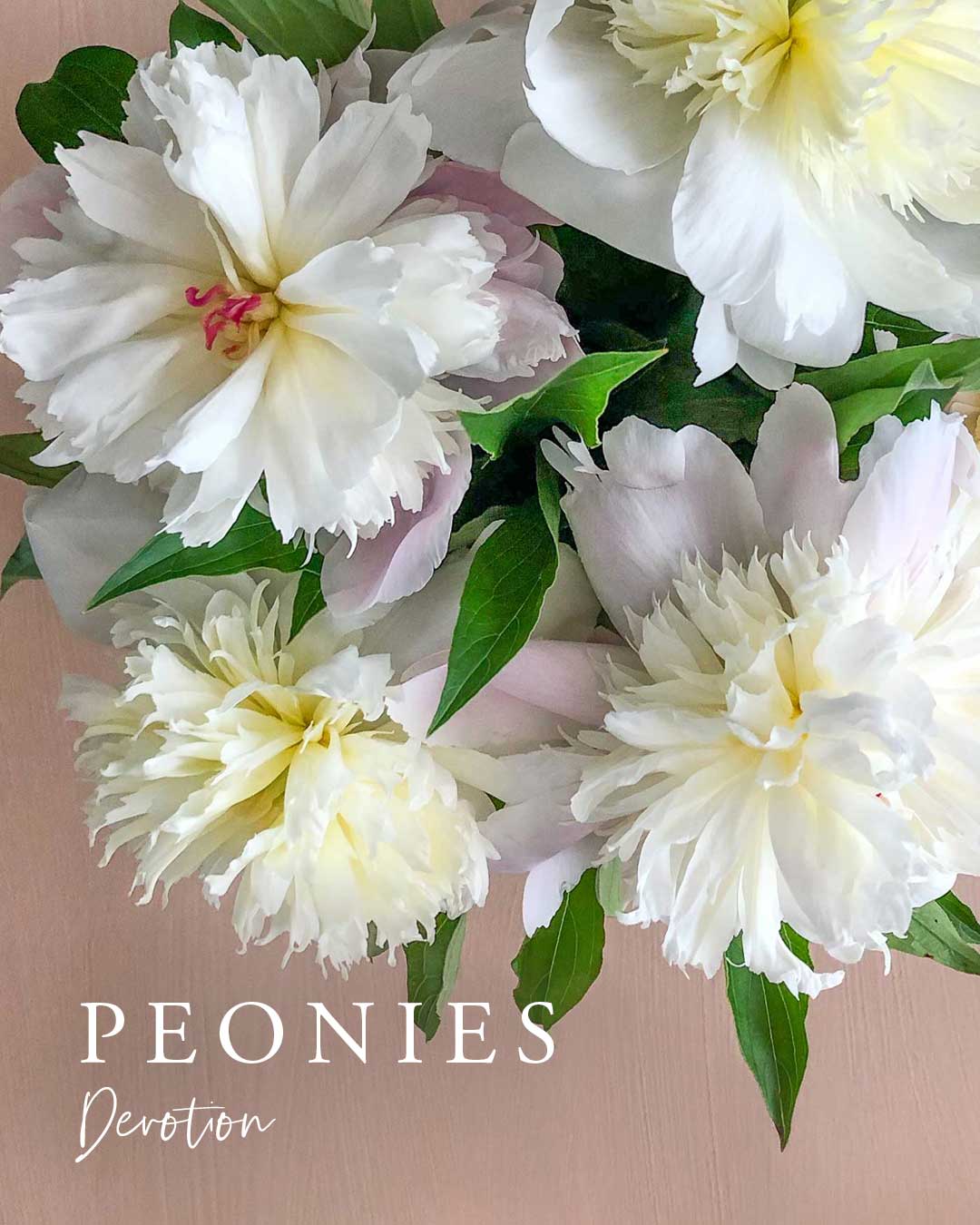
Peonies have traditionally symbolized:
- Devotion
- Honor
- Prosperity
- Deep affection
In the language of flowers, peonies represent enduring devotion and heartfelt commitment. Their full, layered blooms and generous presence reinforce this meaning – suggesting love that is abundant, sincere, and deeply rooted.
Given as a gesture, peonies convey loyalty and lasting attachment. They are especially fitting when honoring a relationship marked by steadiness and emotional depth.
Hydreangeas Mean “Playfulness”
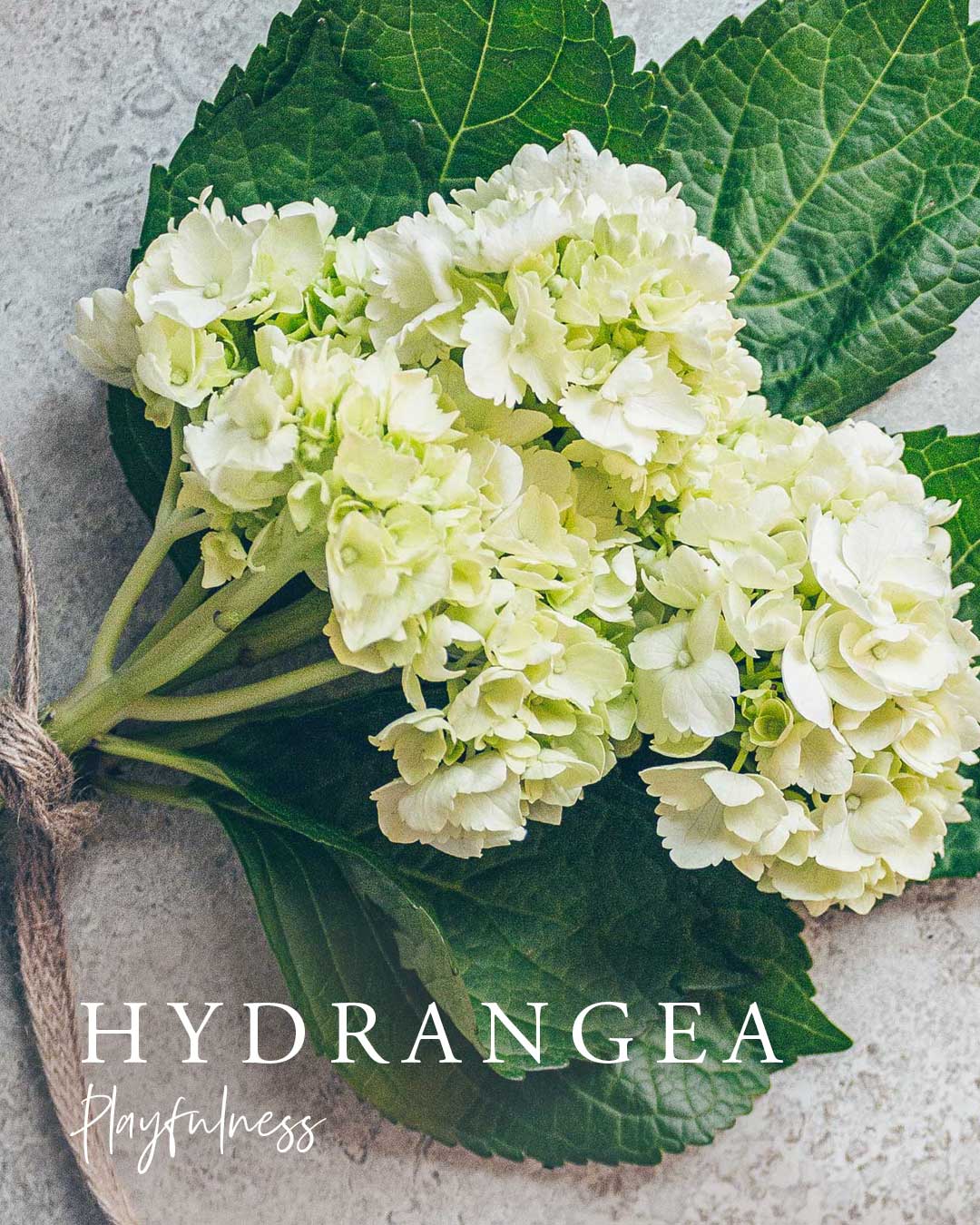
Hydrangeas have traditionally symbolized:
- Playfulness
- Lighthearted emotion
- Abundance of feeling
- Expressive sincerity
In the language of flowers, hydrangeas convey a sense of emotional openness and spirited affection. Their generous, cloud-like blooms and shifting hues reinforce this meaning – suggesting warmth, movement, and a joyful presence.
Given as a gesture, hydrangeas communicate a love or friendship marked by liveliness and ease. They are especially fitting when celebrating relationships that feel vibrant, expressive, and full of shared delight.
Creating a Bouquet with Meaning
Historically, bouquets were rarely random. Each flower contributed to an overall message.
A bouquet might combine:
- Roses (devotion)
- Sweet peas (gratitude)
- Rosemary (remembrance)
Together, they would communicate layered sentiment – without a single spoken word.
While modern floral giving is often guided by color or availability, incorporating traditional meanings can add quiet intention to any arrangement.
Why the Language of Flowers Still Matters
We no longer rely on floriography as a coded social system, but the meanings remain part of cultural memory.
Choosing flowers based on symbolism:
- Adds depth to a gift
- Honors historical tradition
- Encourages intentional selection
- Turns a bouquet into a thoughtful gesture
Whether given for love, friendship, celebration, or remembrance, flowers continue to carry more than beauty. They carry meaning – inherited, layered, and enduring.
Leave a Reply